A Restaurant Owner’s Guide to Disaster Recovery.
What to do in the first 24 hours. 48 hours. 7 days.
This post is sponsored by First General
a proud sponsor of the Alberta Hospitality Association
Disasters rarely happen at ideal times. A pipe bursts during Friday prep. A kitchen fire shuts down dinner service before a long weekend. A sewer backup hits hours before a private event. In Alberta, operators also deal with frozen pipes, summer hailstorms, flash flooding, and aging infrastructure in older buildings that can quickly turn a small issue into a major operational disruption.
The reality is that many restaurant owners are forced to make critical decisions amid chaos, often with little understanding of what needs to happen first, what can wait, and which mistakes can make recovery harder.
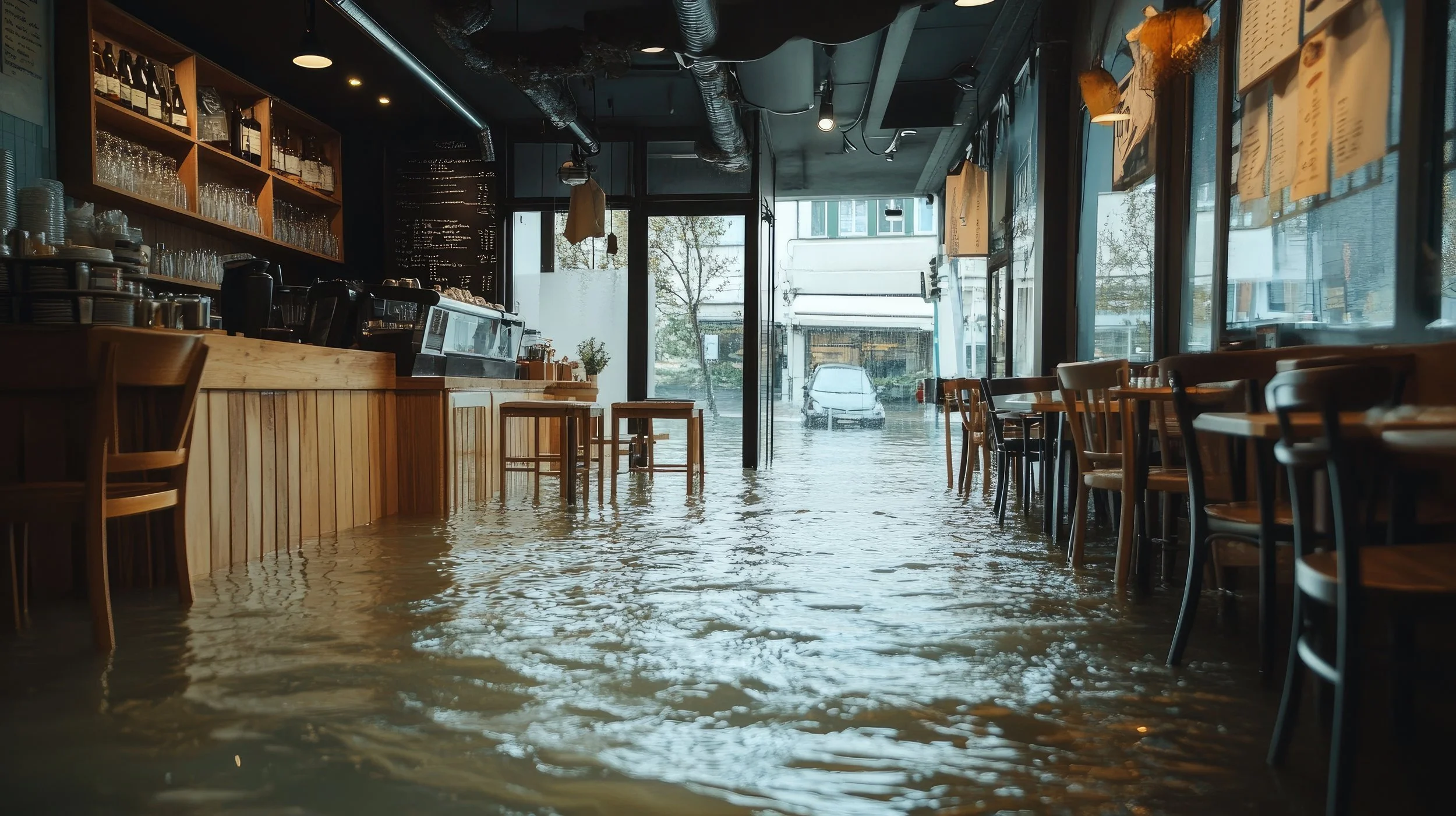
Here’s a practical breakdown of what Alberta restaurant owners should focus on during the first 24 hours, the next 48 hours, and the first week after a disaster.
Phase 1: The First 24 Hours — Stabilize the Situation
The first day is about stabilization. The priority is not reopening immediately. It’s protecting your team, your building, and your ability to recover properly.
1.Before anything else:
Confirm staff and guests are safe
Shut off utilities if necessary
Follow emergency guidance from fire crews or utilities
Do not allow staff back into unsafe spaces
In restaurants especially, hazards can escalate quickly. Water, compromised ventilation systems, electrical issues, gas lines, and contaminated surfaces can all create serious risks.
2.Document Everything
Before cleanup begins, document:
Damage to equipment
Walls, ceilings, flooring, and furniture
Food inventory loss
Water intrusion points
Smoke or soot damage
Exterior damage
Take photos and videos from multiple angles. These records become extremely important during the insurance process.
3. Contact Your Insurance Provider Immediately
Restaurant claims are often more complex than standard commercial claims because they involve:
perishables,
kitchen equipment,
interruption to operations,
and potential health inspection considerations.
Keep records of:
Claim numbers
Conversations
Expenses
Temporary purchases
Emergency cleanup or labour costs
4. Bring In Restoration Professionals Early
One of the biggest mistakes operators make is waiting too long to bring in professional restoration support.
Water damage can move behind walls and under flooring within hours. Smoke and soot continue damaging surfaces long after a fire is extinguished.
Companies likeFirst General Services Calgarywork directly with insurance providers and understand the urgency hospitality businesses face when downtime affects staffing, reservations, events, and revenue.
With centrally located teams serving Calgary and surrounding areas, rapid response can significantly reduce the scale and cost of damage.
Phase 2: The Next 48 Hours — Protect Your Business
Once the immediate crisis is stabilized, the next phase is about minimizing long-term disruption and creating a realistic recovery plan.
1. Assess What Can Be Salvaged
Not everything needs to be replaced. An experienced restoration team can often:
Dry and restore materials
Clean smoke-damaged surfaces
Salvage equipment
Prevent unnecessary demolition
Reduce waste through restoration-focused approaches
This becomes especially important in restaurants with custom interiors, bars, millwork, or specialized kitchen setups.
First General’s Eco Initiative Program focuses on reducing unnecessary waste wherever possible, helping businesses prioritize restoration over avoidable replacement when appropriate. They use the Esporta Wash System to remove bacteria, mold, and fungus from contents; Fireline Ultrasonic Cleaning for electronics and hard items; and Injecti-Dry systems to dry wall cavities without extensive tear-out. This is especially important in restaurants with custom interiors, bars, millwork, or specialized kitchen setups.
2. Communicate With Staff Early
One of the hardest parts of restaurant downtime is the uncertainty for staff.
Be transparent about:
Estimated timelines
Temporary closures
Scheduling updates
Payroll expectations
Next steps
Clear communication helps retain strong employees during stressful periods.
3. Start Thinking Operationally
Questions operators should begin addressing:
Can partial operations continue?
Are catering or off-site services still possible?
What inventory requires disposal?
What vendors need updates?
Which reservations or events need communication?
The goal is minimizing operational disruption wherever possible.
Phase 3: The First Week — Build Your Recovery Plan
By the first week, operators should begin shifting from reaction mode into recovery strategy.
1. Create a Realistic Reopening Timeline
Most restaurant owners underestimate how many moving pieces are involved in reopening:
Insurance approvals
Health inspections
Drying timelines
Equipment replacement
Permits
Trades coordination
Cleaning and sanitation
This is where experienced project management becomes critical.
First General’s project management team brings more than 100 years of combined experience, which can make a significant difference when coordinating complex commercial restoration projects under pressure.
For restaurants, reopening delays impact far more than the building itself:
Revenue
Staff retention
Vendor relationships
Customer loyalty
Seasonal business opportunities
2. Keep Guests Updated
Silence creates confusion.
Use social media, newsletters, Google updates, and reservation platforms to:
Inform guests about closures
Share reopening progress
Maintain customer connection
Keep your brand visible during downtime
Customers are often far more understanding when communication is proactive.
3. Review What Could Be Improved Moving Forward
Once the immediate stress settles, it’s worth evaluating:
Emergency preparedness plans
Maintenance risks
Vendor contact systems
Backup equipment
Insurance coverage gaps
Staff response procedures
Many disasters can’t be prevented entirely, but preparation can dramatically reduce the impact.
Emergency Contacts Every Restaurant Should Have Ready
One of the simplest ways to reduce chaos during an emergency is having a response list prepared before you ever need it.
Every restaurant should have quick access to:
Insurance broker
Restoration company (First General — 403-229-1479 (24/7))
Plumber
Electrician
Equipment repair company
POS provider
Landlord or property manager
Health inspector contact
Internal staff emergency contact list
When a disaster happens, speed matters. Searching for contacts in the middle of a crisis only slows recovery down further.
Contact First General
Don’t hesitate to get in touch at any stage of the process
24/7 Emergency Services: 403-229-1479
Email: info@firstgeneral.net
Address: #102 – 12450 40 Street SE, Calgary, AB T2Z 5A1