
Hospitality Trends Shaping 2026
This newsletter is brought to you in partnership with Coke Canada: a proud sponsor of the Alberta Hospitality Association. Canada's local bottler for over 130 years, Coke Canada is a proudly independent, family-owned company serving communities coast-to-coast-to-coast.
Every year, a wave of trend reports lands from organizations like the National Restaurant Association, McKinsey, OpenTable, and the James Beard Foundation. Most of it is written for American markets. Some of it is noise. But buried in the data are signals that matter, and 2026 has a few that Alberta operators should pay attention to.
We've pulled together some of the most relevant findings from reports published between January and April 2026 and translated them for the Alberta context. Here's what the research is telling us.
Dining out has become a special occasion. Act accordingly.
This is the through-line across nearly every major report this year. OpenTable's 2026 Diner Trends Report, one of the most comprehensive data sets available, drawing on millions of actual reservations, found that 61% of consumers now say dining out feels more like a special treat than a regular habit. That's up significantly from pre-pandemic norms.
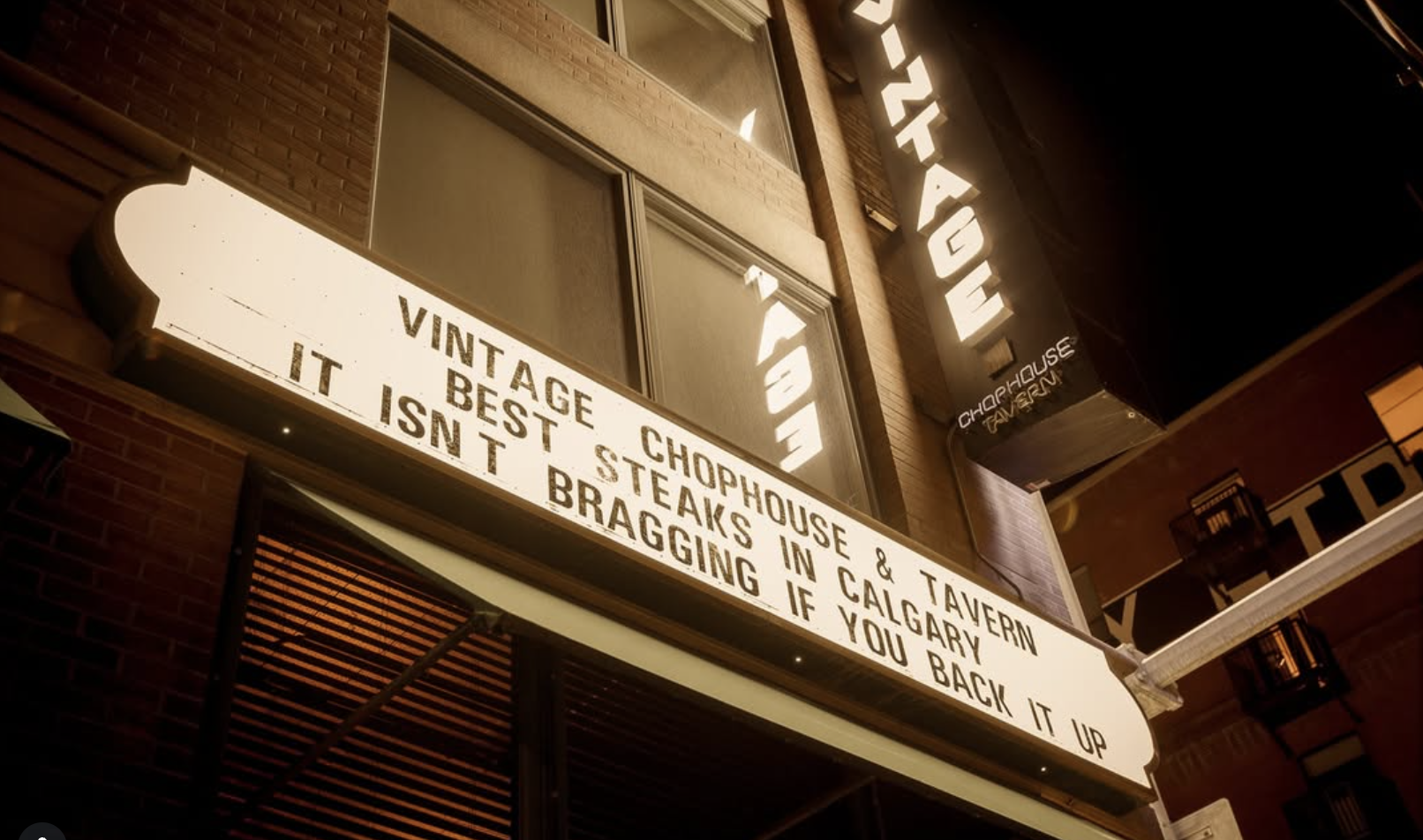
What that means in practice: your guests are making a deliberate choice when they walk through your door. They arrive with higher expectations. They're more likely to splurge on appetizers, drinks, and dessert. OpenTable data shows 82% of diners order an appetizer when dining out, and 71% choose a restaurant to celebrate their birthday. But they're also less forgiving when the experience doesn't match the occasion.
Bookings tied to experiential dining: pop-ups, chef's tables, collaborative dinners, rose 46% year-over-year. Operators who have built their programming around these moments are seeing higher midweek traffic and stronger beverage spend.
The practical question: Is your restaurant positioned for occasions? Does anything on your website or social media communicate what a birthday dinner, anniversary night, or private group looks like at your place? If not, those guests are going to whoever ranks first on Google.
The protein story is playing in your favour — if you lean into provenance.
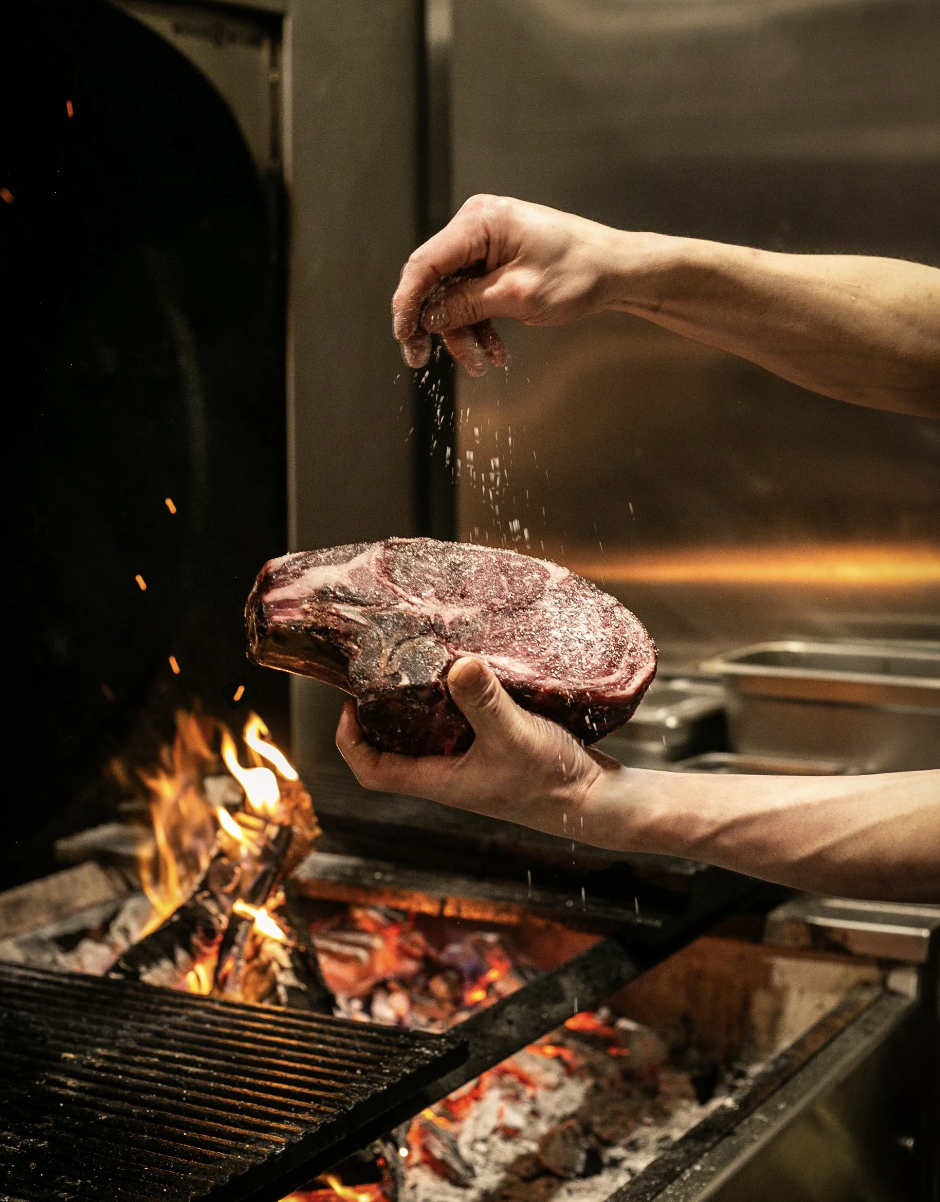
photo from Foxtrot at Spruce Meadows. Calgary, AB
Multiple reports — the NRA's What's Hot Culinary Forecast, FSR Magazine's annual Hospitality Forecast from af&co. and Carbonate, and the James Beard Foundation's chef survey — all point to the same shift: after years of plant-based dominance, meat is back as the centrepiece of the plate. Bone marrow, sweetbreads, whole-animal utilization, and premium cuts are all trending simultaneously.
The nuance matters, though. This isn't just a return to protein, it's a return to quality protein. Consumers are eating less, but spending more per occasion. Heritage breeds, farm-named cuts, and regeneratively sourced beef are resonating particularly well. The James Beard Foundation's report specifically calls out diners gravitating toward "deeper expressions of terroir, ingredients that tell a story of place."
Alberta is uniquely positioned here. This is cattle country. The story of where your beef comes from, who raised it, and how it was handled is a competitive advantage most other markets can't replicate. That story belongs on your menu.
One actionable move: Name the farm. A single line "Irvings Farm pork shoulder, 48-hour brine" does more work than a paragraph of marketing copy.
Your beverage program needs a genuine non-alcoholic option. Not an afterthought.
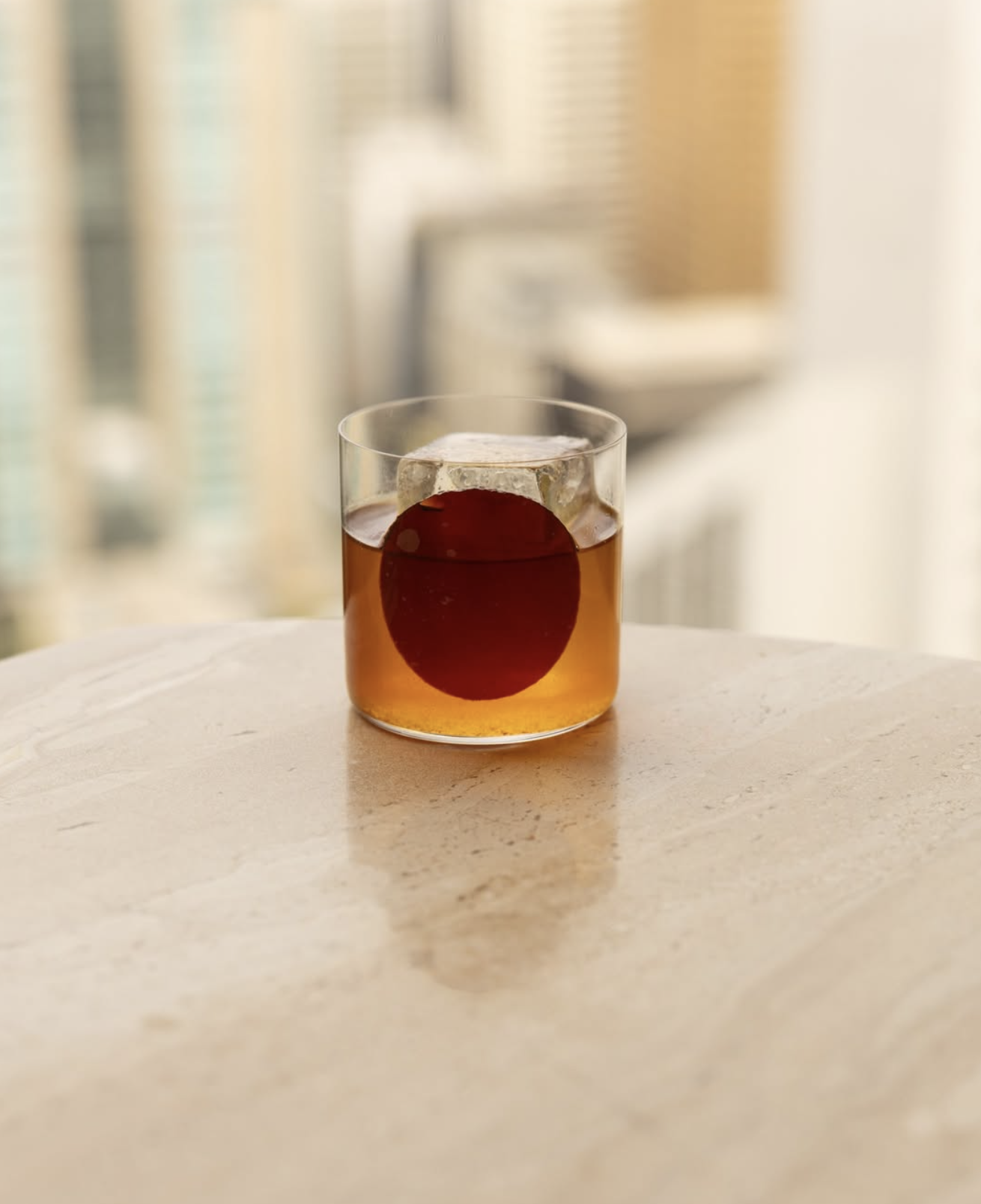
Major Tom. Calgary, AB
This trend has been building for several years, but the 2026 data suggests it has crossed from niche to expectation. NielsenIQ reports that over half of consumers are now moderating their alcohol intake. Nearly 70% of cocktail drinkers say they also enjoy non-alcoholic versions. Among Gen Z specifically, alcohol consumption has dropped 25% over four years, and 49% say reducing alcohol will be a health priority for them this year.
The key finding from Southern Glazer's Liquid Insights Tour, which tracks beverage trends across major international markets: non-alcoholic spirits now rank as the seventh most-used ingredient type across the menus surveyed, above tequila and Cognac. These aren't soda water substitutes. They're crafted, garnished, priced-appropriately experiences.
Alongside this, the research points to growing interest in savory, kitchen-inspired cocktails, bartenders borrowing techniques from the kitchen, house-made syrups and infusions, fat-washed spirits, culinary garnishes. The carajillo (espresso with spirits) has 55% consumer interest and is described by Datassential as one of the year's most recognized emerging trends.
The practical question: Does your NA program have three or four actual options, priced between $8 and $12, with the same garnish and glassware attention as your cocktail list? If it's sparkling water and a lemonade, that's a gap worth closing before patio season.
Gen Z will not come back if your restrooms don't make the cut.
This sounds blunt, but the data from Modern Restaurant Management are hard to argue with: 21% of 18–34-year-olds say they won't return to a venue because of poor restrooms, nearly double the rate for the general population. This generation has grown up with premium experiences at every touchpoint, and they hold restaurants to the same standard.
The broader finding is that Gen Z diners are unforgiving across the board, 73% cite food quality in their top three disappointment factors (versus 57% of diners generally), and they're highly influenced by social media. Millennials, meanwhile, are projected to be the most frequent restaurant-going segment in 2026, dining out an average of 14 times per month, with 79% saying a restaurant's social media appeal plays a role in their decision.
Both groups are increasingly using AI tools, ChatGPT, Perplexity, to discover restaurants. OpenTable found that 44% of Americans plan to use these tools more for restaurant discovery and bookings in 2026. If your Google Business profile isn't fully built out with current photos and accurate hours, or if your online menu is a PDF that can't be indexed, you're losing ground in discovery before anyone ever sees your food.
Your team, your suppliers, and your kitchen are your content strategy.
The 2026 research on hospitality marketing is consistent: local, authentic voices are outperforming celebrity influencer campaigns. Nano- and micro-influencers are driving stronger engagement because of their established trust in specific communities. But the bigger shift is brands spotlighting their own people: culinary team members, supplier relationships, behind-the-scenes kitchen moments, and generating high engagement without paid reach.
Nation's Restaurant News calls this out explicitly in their 2026 Hospitality Predictions report: "Brands that collaborate with neighbourhood tastemakers, staff creators, and guests will generate high engagement with their relatable, organic content."
A 30-second video of where your beef comes from, or your chef explaining why they source from a particular farm, costs almost nothing to produce and performs consistently well — particularly for the Alberta market, where local provenance is a genuine point of pride.
Happy hour is back. Don't leave it on the table.
OpenTable data shows a 13% increase in 4pm dining year-over-year. Their January 2026 Dining Data report found that a majority of Americans say they plan to prioritize happy hour drinks and snacks when dining out. This is a value-seeking behaviour; consumers are being thoughtful about where they spend, and a well-priced late-afternoon window offers them the restaurant experience at an entry point that feels manageable.
For operators running thin margins in a difficult cost environment, this is a relatively low-investment programming move. A defined happy hour window with a short snacks menu and house drink features creates a revenue daypart, builds a weekly habit in your regulars, and often converts into dinner reservations.
The full sources, if you want to read further.
The findings above are drawn from reports published between November 2025 and April 2026. Direct links:
FSR Magazine — 2026 Hospitality Forecast (af&co. / Carbonate)
Modern Restaurant Management — 4 Trends Operators Can't Ignore
The Alberta Hospitality Association represents over 900 restaurant owners and operators across Alberta. If you're not yet a member,learn more about joining here.